Electronics And Communication
Electronics And Communication

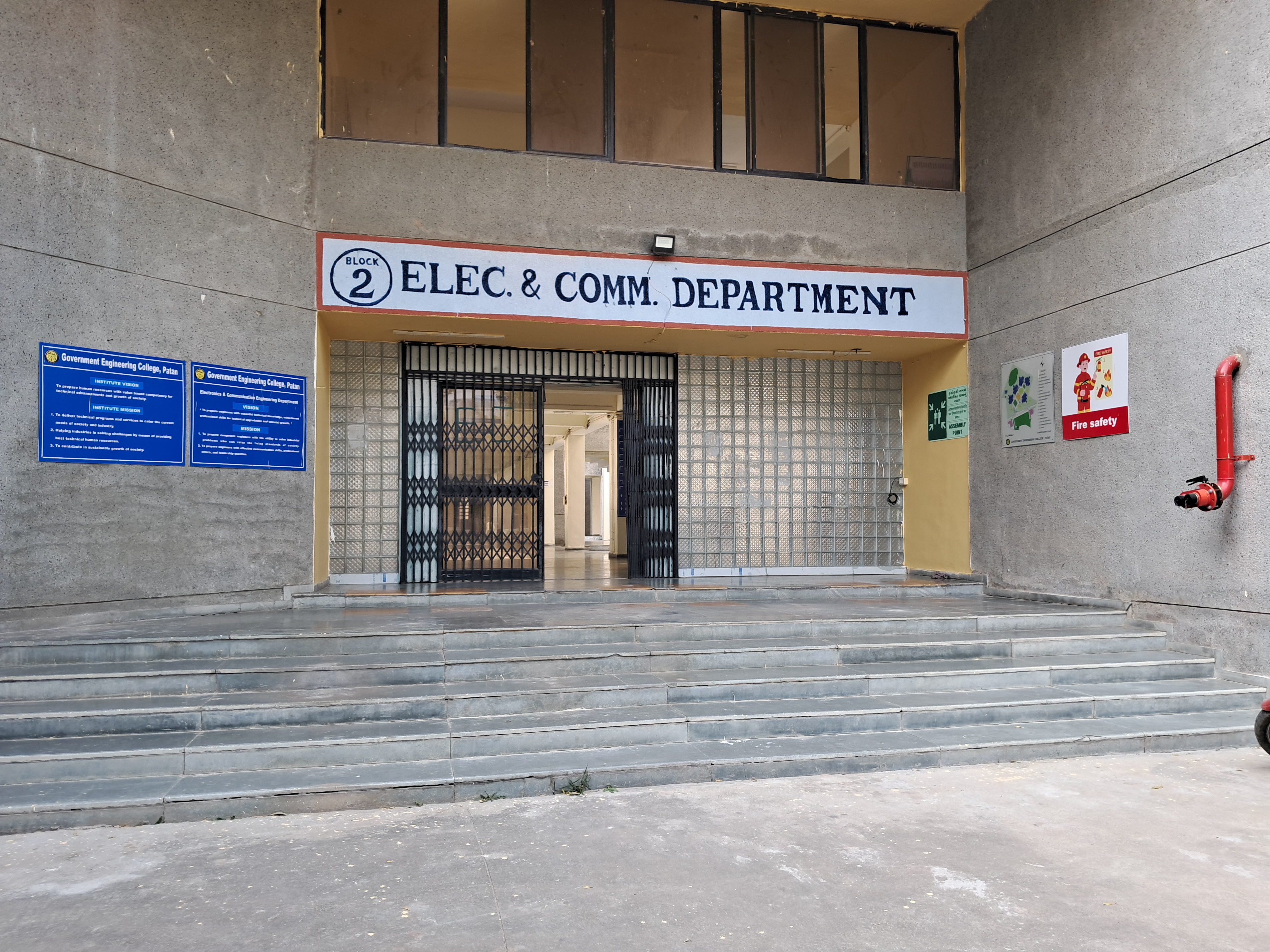
The Electronics and Communication Department at GEC, Patan provides a technology-rich academic environment that enables students to achieve the highest levels of excellence as professionals in the field. The department offers a four-year undergraduate program in Electronics and Communication Engineering. With excellent infrastructure, experienced faculty, and advanced facilities for research, the department ensures that students can hone their skills and stand out among their peers. Established in 2004, the Electronics and Communication Department has been a cornerstone of the institute. It is one of the most sought-after branches, offering the highest number of seats in the state and generating numerous job opportunities. The curriculum covers a wide range of subjects, including AC and Analog Electronics, Digital Electronics, Electrical Machines, Analog and Digital Communication, Fiber Optic Communication, Microwave and Antenna Engineering, Computer Hardware and Networking, Microprocessors and Microcontrollers, Advanced and Wireless Communication, and VLSI. The program also includes elective subjects to provide students with flexibility and depth in specialized areas.

30

Total Intake

9

Faculties Member

7

Labs And Workshops

15

Annual Placement

L201 ANALOG & DIGITAL ELECTRONICS LABORATORY
L201 ANALOG & DIGITAL ELECTRONICS LABORATORY
This laboratory is equipped with Analog and Digital Electronics trainers, viz.,amplifier, common emitter configuration, common collector configuration,oscillators, multivibrators, power supply, trainers using 555 IC, digital gates,flip flops, counters, and registers kits, etc. Following are few kits:
  • • Active band pass filter
  • • Automatic gain control kit
  • • Butterworth filter trainer
  • • CE configuration of transistor
  • • DC motor speed control using SCR

L202 SIMULATION LABORATORY
L202 SIMULATION LABORATORY
This laboratory is equipped with the latest computers with advanced simulation software, viz., MATLAB, Multisim, Visual Studio Code, Keil uVision, Atmel Studio, and Xilinx etc. Laboratory is equipped with:
  • • DIGITAL OSCILLOSCOPE DSOX 2024A
  • • Workbench Electronics

L203 ELECTRONIC SYSTEM DESIGN LABORATORY
L203 ELECTRONIC SYSTEM DESIGN LABORATORY
This laboratory consists of multiple electronics workbenches, having a digital storage oscilloscope, multi meter, function generator, and power supply, which can be helpful in testing and measurements of various electronics circuits or systems.

L211 COMMUNICATION LABORATORY

L211 COMMUNICATION LABORATORY
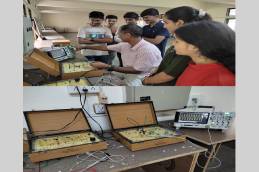
This laboratory is equipped with Analog and Digital communication trainers, viz., AM, FM, and PM modulation demodulation, superheterodyne receiver, PWM, PPM, PAM, ASK, FSK, PSK kits, Spectrum Analyzer as well as RF and Microwave trainers for microwave communication along with active and passive components. Few trainers are as:
  • • Amplitude Modulation/Demodulation Trainer
  • • DSB/SSB AM Receiver
  • • Fiber Optics Demonstrator
  • • FM Transmitter Receiver Trainer
  • • Microwave Bench

L212 PROJECT LABORATORY
L212 PROJECT LABORATORY
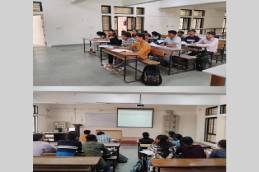
This laboratory is designed to provide students with hands-on experience in research and practical applications across various fields of Electronics and Communication Engineering.

L213 SIGNAL PROCESSING & VLSI LABORATORY
L213 SIGNAL PROCESSING & VLSI LABORATORY
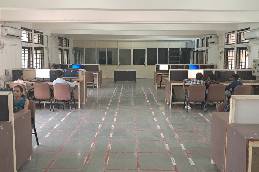
This laboratory consists of various trainers, viz., DSP, FPGA kits, and software required to perform operations on the trainers for Digital Signal Processing, Image Processing, Speech Signal Processing, and VLSI experiments.
  • • DSP Trainer Kit
  • • Desktop Computer (ACER- AMD processor 12th generation)
  • • Programmable Function Generator, 1 Channel, 50Mhz (AFG3051C)

L214 EMBEDDED & IoT LABORATORY
L214 EMBEDDED & IoT LABORATORY
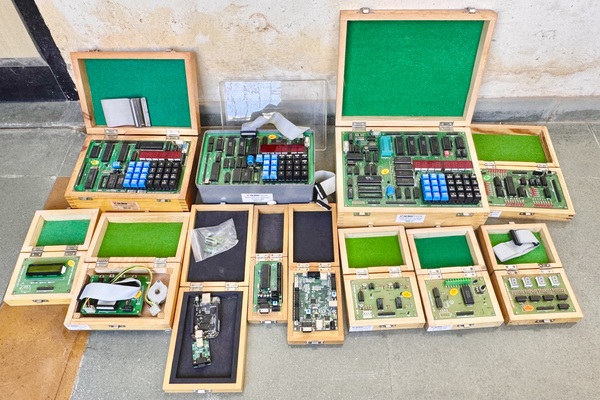
This laboratory consists of various trainers of microprocessors, microcontrollers, embedded and IoT boards, viz., 8085, 8086, 8051, AVR, and daughter boards like 8255 I/O interfacing, ADC, DAC, stepper motor controller, Arduino boards, and ESP8266 Node MCU boards. This laboratory provides extensive hands-on experience to design various embedded systems and exposes students to the tools required to turn them into IoTs.
  • • 8051 Microcontroller Trainer Kit
  • • 8086 Microprocessor Trainer Kit
  • • Interfacing card for ADC, DAC, LCD, seven segment display, stepper motor interfacing card

Teaching Staff
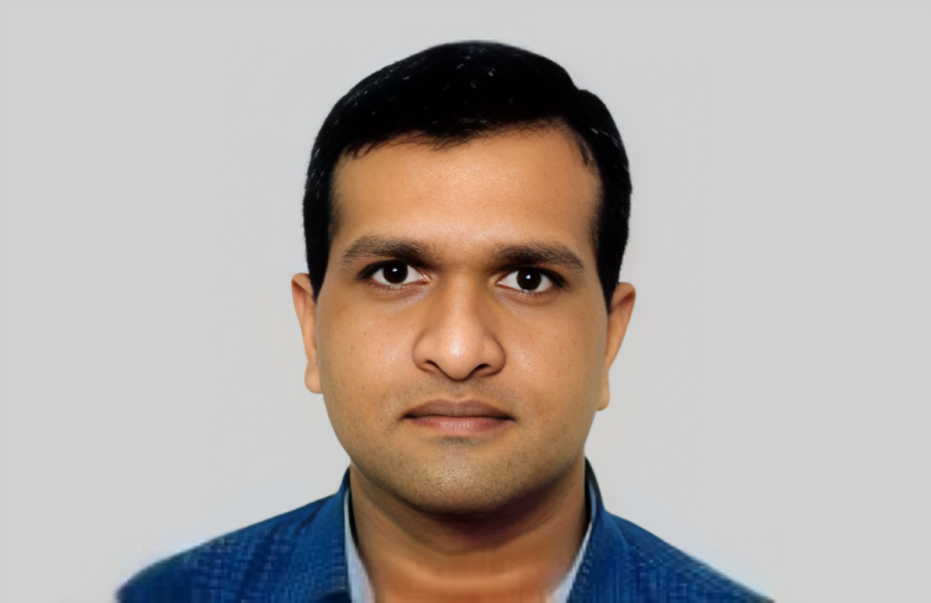
Dr. Devendrakumar H. Patel

  • Designation: Associate Professor
  • Area Of Interest: Multiband Antennas, Wireless Communication

Dr. Hareshkumar judal

  • Designation: Assistant Professor
  • Area Of Interest: Digital Communication,Wireless Communication and DSP

Prof. Mihirkumar Patel

  • Designation: Assistant Professor
  • Area Of Interest: DSP, COMMUNICATION SYSTEMS
Dr. Maulikkumar Patel

  • Designation: Assistant Professor
  • Area Of Interest: MICROWAVE, ANTENNA, ELECTRONICS
Prof. JAYESHKUMAR C. PRAJAPATI

  • Designation: Assistant Professor
  • Area Of Interest: Communication Engg, Microwave Engg, Optical Fiber Communication

Prof.Shyamkumar Pankhaniya

  • Designation: Assistant Professor
  • Area Of Interest: Embedded system design, VLSI technology
Prof. Mehulkumar Patel

  • Designation: Assistant Professor
  • Area Of Interest: VLSI Design
Prof. Roshniben Chaudhari

  • Designation: Assistant Professor
  • Area Of Interest: Antenna, RF & Microwave Engineering, Wireless Communication, Basic Electronics

PROF. ANJU VASDEWANI

  • Designation: Assistant Professor
  • Area Of Interest: EMBEDDED SYSTEMS, DIGITAL CIRCUITS AND DESIGNING, MICROPROCESSOR, MICRO CONTROLLER & INTERFACING, PROGRAMMING USING C, BASIC ELECTRONICS,

Sanchar Saathi Seminar

The Electronics and Communication Engineering Department of Government Engineering College, Patan organized a seminar on “Sanchar Saathi – A Citizen-Centric Telecom Security Initiative” on 21/01/2026 to spread awareness about telecom security and digital safety among students. The seminar focused on introducing the Sanchar Saathi portal and mobile application launched by the Department of Telecommunications (DoT), Government of India. The key objectives of the initiative, including protecting citizens from telecom fraud, improving transparency in mobile connections, and promoting responsible digital practices, were explained in detail. During the session, important services such as Chakshu for reporting fraudulent calls and messages, blocking lost or stolen mobile phones using IMEI numbers, verifying mobile connections, and identifying suspicious international calls were discussed. Students were also guided on how to access and use these services through the web portal and mobile application. The seminar emphasized the role of citizens in maintaining a secure telecom ecosystem by actively reporting suspicious activities and staying informed about digital threats. The event concluded with enthusiastic student participation and a positive response, making the session informative and impactful.

MOOC Sensitization And Registration (EC)

The Electronics and Communication Engineering Department organized a sensitization and registration program on 19th January 2026 for every-year students to highlight the importance and benefits of Massive Open Online Courses (MOOCs). The program aimed to familiarize students with various online learning platforms and resources available for enhancing their academic and professional skills. Dr. Haresh Judal delivered a presentation on the Guidelines for Implementation of MOOCs w.e.f. Academic Year 2025–26 as published by GTU, while Prof. Roshni Chaudhari discussed the list of MOOC and GTU-offered courses available for students of different engineering branches.

Sanchar Saathi Awareness Drive at Bansal Mall, Patan

An awareness drive titled “Sanchar Saathi – A Citizen-Centric Telecom Security Initiative” was organized by the Electronics and Communication Engineering Department of Government Engineering College, Patan at Bansal Mall, Patan. The event aimed to create public awareness regarding telecom security, digital safety, and fraud prevention. Participants were introduced to the Sanchar Saathi portal and mobile application launched by the Department of Telecommunications (DoT), Government of India. Volunteers demonstrated key services such as Chakshu for reporting suspicious communications, CEIR for blocking lost or stolen mobile phones using IMEI numbers, and SIM verification facilities. The session educated citizens about phishing calls, fraudulent SMS, and responsible telecom usage. The drive received active participation from visitors and staff members of the mall, contributing to improved cybersecurity awareness and promoting safe digital communication practices.

An industrial visit was organized at BISAG, Gandhinagar, to provide practical exposure to students of Semester V and Semester VII.

An Industrial Visit to BISAG-N was organized on 14 October 2025 for EC students to provide industry exposure in advanced communication technologies. Students learned about satellite communication, GIS, remote sensing, and live broadcasting systems through expert interactions and demonstrations. The visit helped students relate theoretical concepts to real-world applications and enhanced their understanding of government-level ICT, geospatial technologies, and emerging digital solutions.

Bridging Theory and Practice: EC Students Showcase Innovation at Project Presentation 2025

A Project Presentation was organized on 25 November 2025 for second-year EC students to strengthen practical learning and innovation. Students presented mini projects using hardware models, breadboard circuits, and software demonstrations, explaining design, working principles, and applications. Faculty members evaluated projects through interactions and technical discussions. The activity enhanced problem-solving ability, teamwork, technical communication skills, and supported outcome-based education and continuous assessment practices.

Poster presentation activity was arranged for students of semester 3 of Electronics and communication engineering branch on 25th november to enhance their presentation and technical skills.

A Poster Presentation on Network Theory was organized on 25 November 2025 for Semester III ECE students. Participants presented key syllabus concepts using posters and engaged in discussions with faculty, enhancing conceptual understanding, technical communication, and presentation skills as part of continuous course assessment.

Inaugural Function of VLSI Club

The Electronics and Communication Engineering Department of Government Engineering College, Patan organized the VLSI Club Opening Ceremony on 15th October 2025. The event began with the formal inauguration of the club by Principal Dr. B. J. Shah, along with Dr. A. B. Dhruv (Professor, Mechanical Engineering) and Dr. D. H. Patel (Head of the Electronics and Communication Engineering Department). The VLSI Club was established with the objective of strengthening students’ technical competencies in the field of Very Large-Scale Integration (VLSI). The Faculty Coordinator, Prof. M. L. Patel, addressed the gathering and presented the vision, mission, and scope of the VLSI Club. During the session, the importance of VLSI technology in modern electronics was highlighted, especially its applications in semiconductor chip design, embedded systems, Artificial Intelligence hardware, and the Internet of Things (IoT).

Sanchar Saathi Seminar

A seminar on “Sanchar Saathi – A Citizen-Centric Telecom Security Initiative” was conducted for Semester 3 students of the Electronics and Communication Engineering Department to promote awareness about telecom security and digital safety. The session focused on educating students about cyber threats, telecom fraud, and responsible mobile usage. Students were introduced to the Sanchar Saathi portal and mobile application launched by the Department of Telecommunications (DoT), Government of India. Key services such as reporting fraud through Chakshu, blocking lost or stolen mobile phones using IMEI numbers, verifying SIM connections, and identifying suspicious calls were explained using practical examples. The seminar encouraged students to stay alert, adopt safe digital practices, and actively contribute to preventing telecom fraud. The session received positive participation and helped strengthen students’ understanding of cybersecurity and telecom safety.

Sanchar Saathi Seminar

An awareness program on Sanchar Saathi – a citizen-centric telecom security initiative was conducted at Katpur Village on the Patan–Mehsana Highway to educate village elders and youngsters about cybersecurity and telecom safety. The program focused on creating awareness about digital fraud, safe mobile usage, and the importance of protecting personal information. Participants were introduced to the Sanchar Saathi portal and mobile application launched by the Department of Telecommunications (DoT), Government of India. Key services such as reporting fraud through Chakshu, blocking lost or stolen mobile phones using IMEI numbers, verifying SIM connections, and identifying suspicious calls were explained in simple and practical terms. The session encouraged villagers to remain alert, report suspicious activities, and adopt responsible digital practices. The initiative received positive participation from the community and contributed to improving cybersecurity awareness in the rural area.

No Activities Available

No Achievement Available